

Edvard Grieg’s VR Home
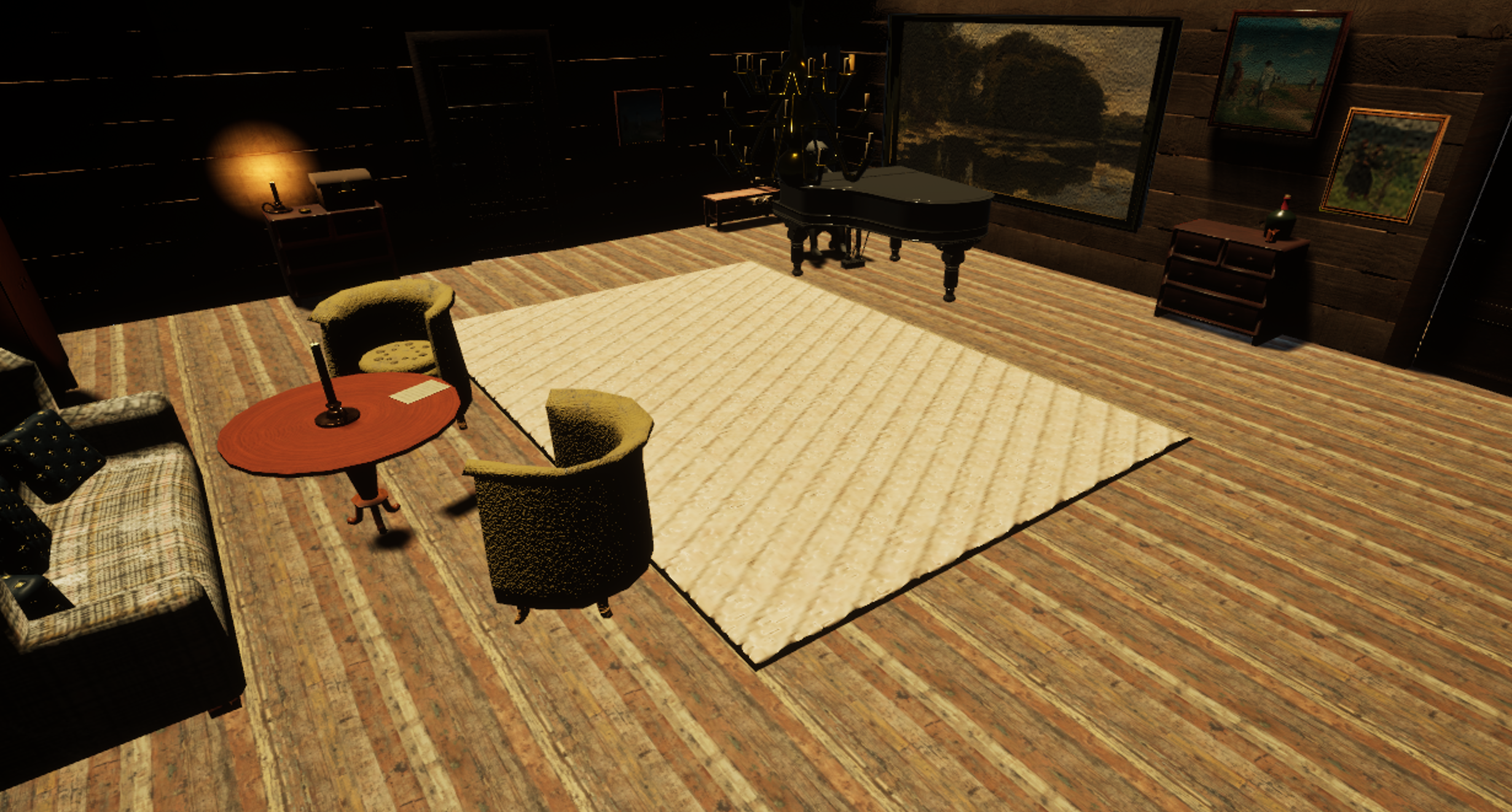
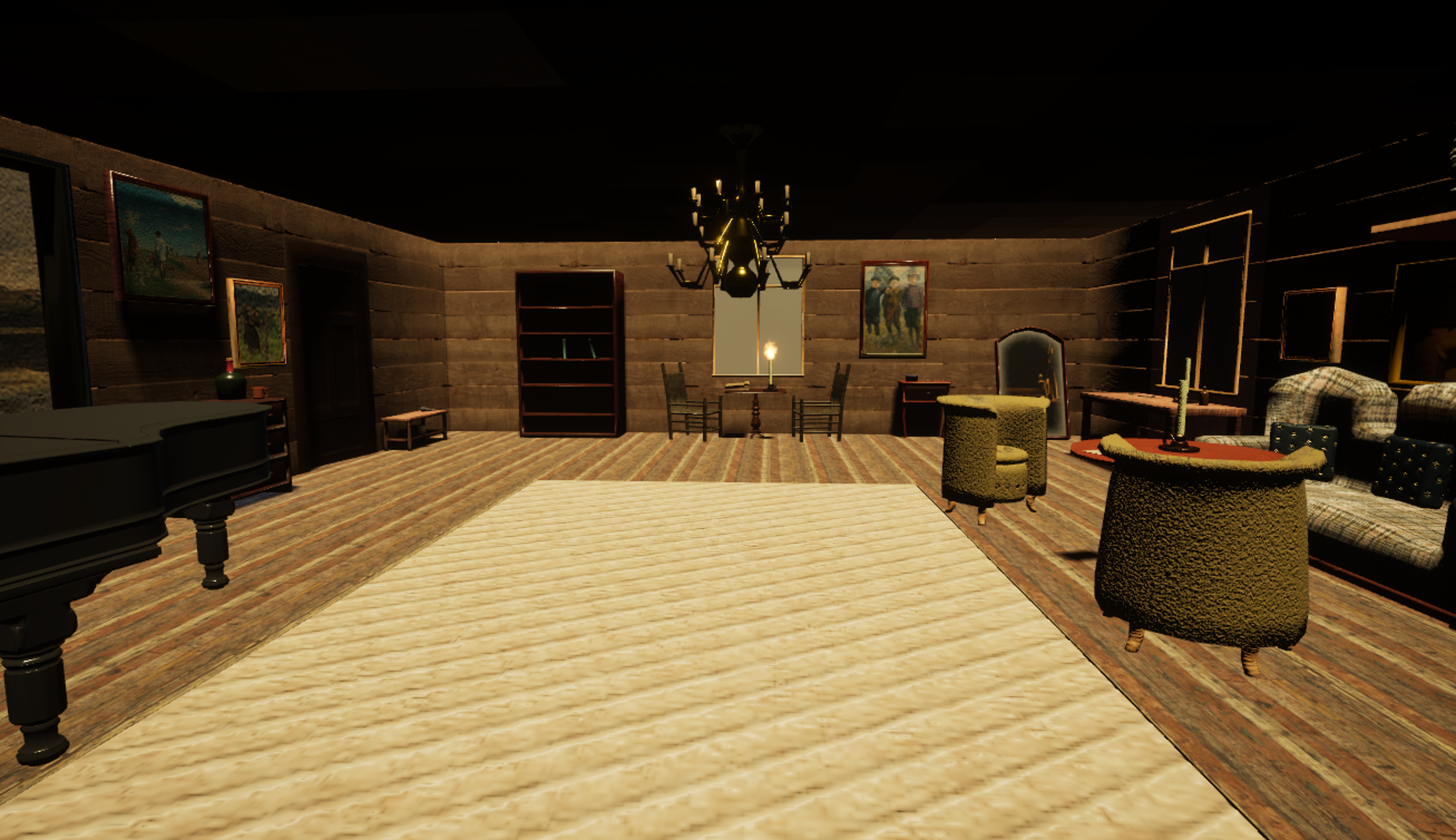
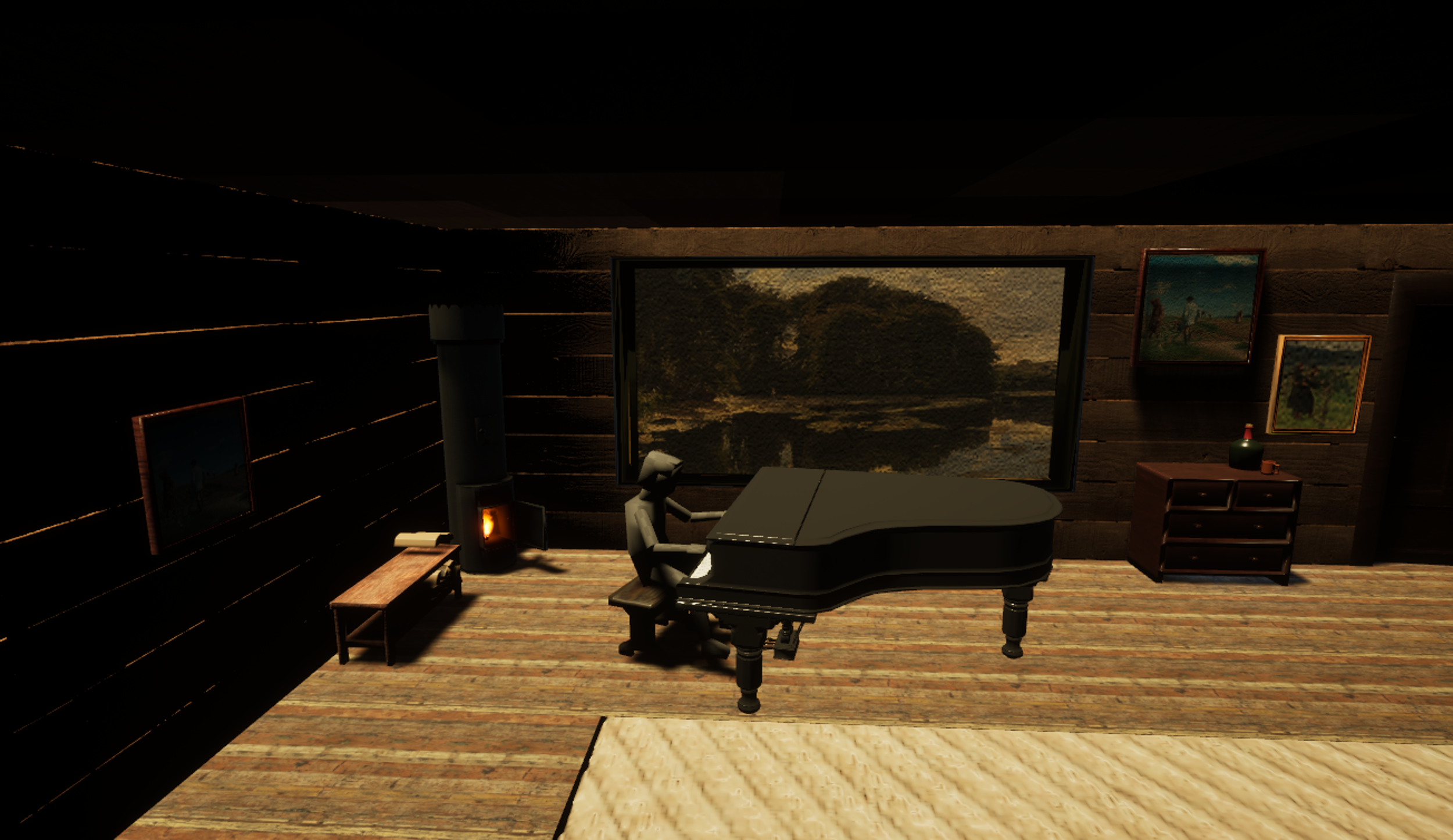
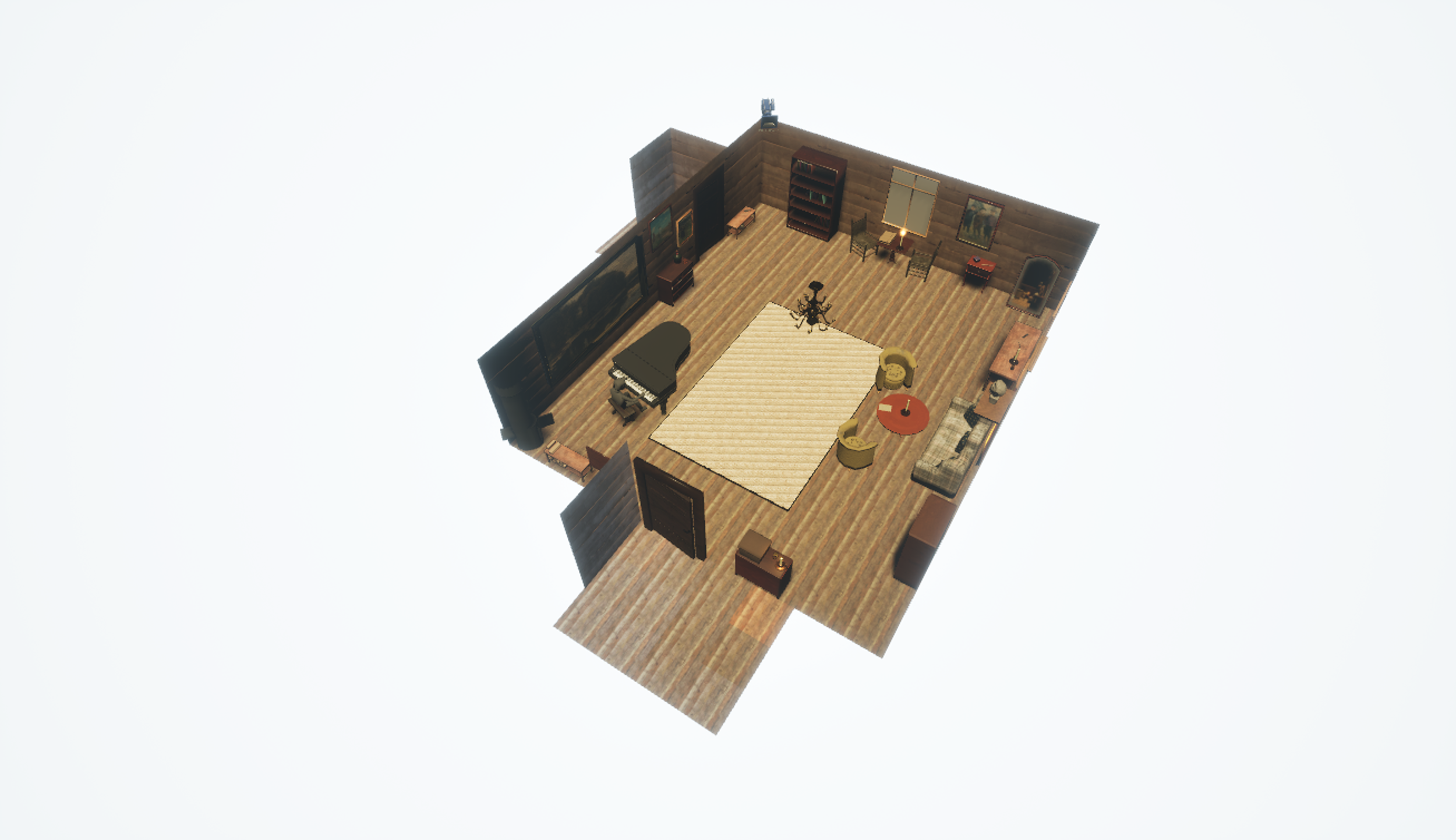
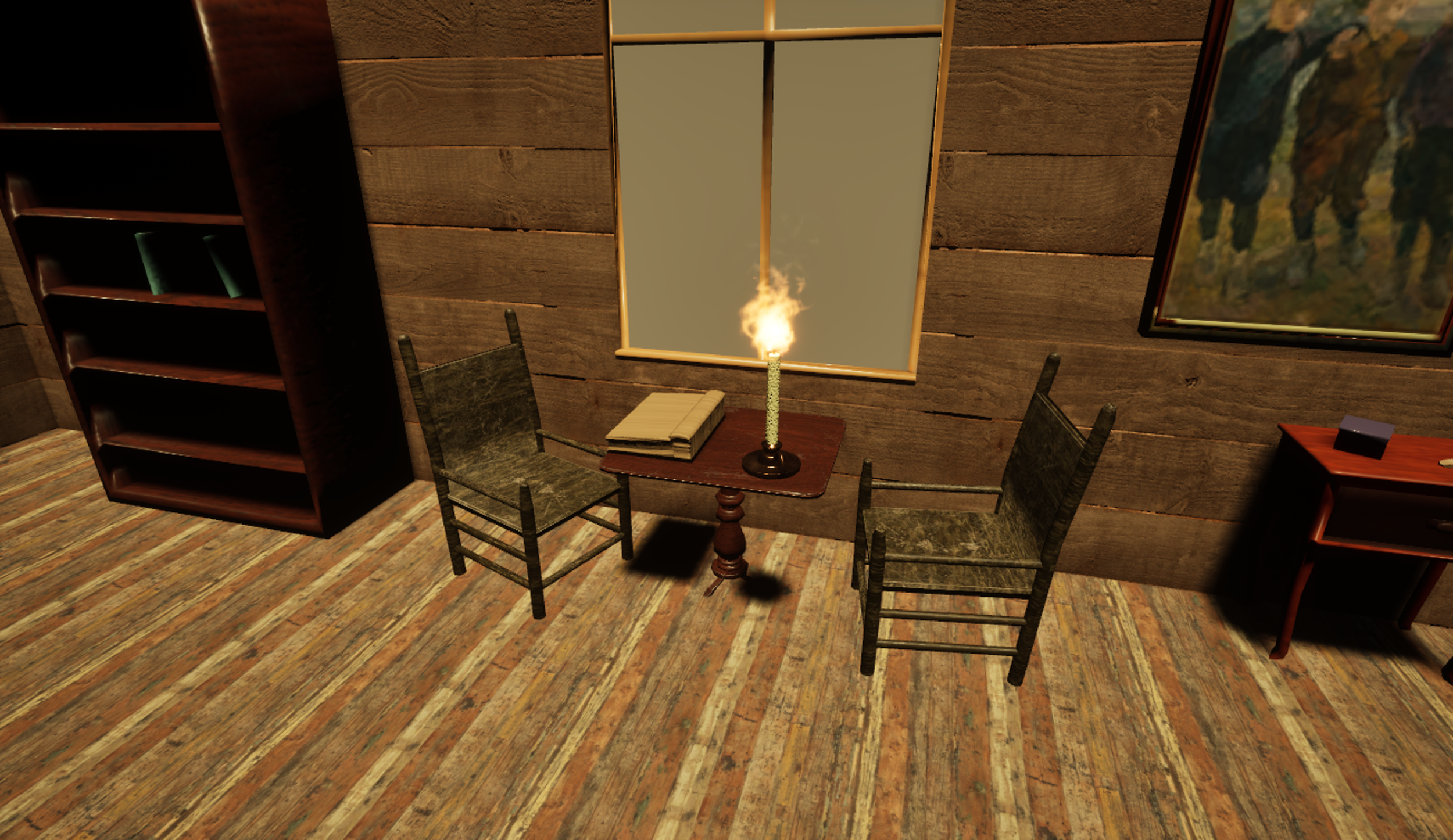
This was my first major school project at Noroff. Our group consisted of four members, and we had seven weeks to develop a game. I took on the roles of modeling and texturing artist, organized the project documents, arranged meetings, and acted as the writer during our discussions. We worked with the Kode Museum as our client and decided to tell the story of Edvard Grieg. The aim was to share his story and dedication, making it accessible to a broader audience—something that is vital for the museum.
Edvard Grieg's house is not located right in Bergen’s center, which can make it tricky to get there. Our focus was on creating an educational game about Grieg's home that is more universally designed, so it can appeal to a wider audience, including those with limited access. The target audience included people who can’t visit the house in person—such as individuals with disabilities, people living in other parts of Norway or abroad, students, and tourists.
The concept of the game was to step back into Grieg's era and tell his story from his wife’s perspective. Back then, many women managed the household, and it seemed interesting to narrate the story through her eyes. Players would assist her with inspiration, production, music, packing for events, and caring for Edvard. Upon completing the game, players would receive a souvenir, such as a miniature version of his piano or house, sent or received from the Kode Museum. This provides a sense of achievement and a tangible reward. Players can use a VR headset either at home or while visiting the museum. This approach opens up new opportunities for engaging and innovative learning, attracting a broader audience, and sharing cultural experiences. By the end, players will gain knowledge of his music and working techniques.
In the demo version, players start in the living room and must talk to Edvard at the piano. He then gives them a mission to pack his suitcase for a concert. The player is provided with a packing list, but the items are hidden around the room. They can interact with objects—picking things up, stoking the fireplace, or opening doors—allowing explorations of the environment. Correctly packing the items triggers sound effects, and the correct ones are crossed off the list.
We decided to expand the game into a full version, planning additional features. In the full game, players can choose the language; in the demo, everything is in Norwegian. A narrator would guide the story in the background. The entire property, including the house, garden, forest, and animated characters, would be modeled. The game would feature various scenes depicting key moments—like composing music, finding inspiration, visiting the doctor, or attending a concert.
Players would face more missions, with greater challenges and complexity—such as finding the right sheet music. If they fail, Edvard might perform the wrong piece at his concert. The game would also include a piano tutorial and allow players to explore different parts of the property to complete tasks. This concept could easily be adapted for other artists and painters represented by the Kode Museum.
Reflecting on the process, designing the VR game posed many new challenges. I had to think carefully about optimization during modeling, UV unwrapping, and texturing. Over the seven weeks, I learned new techniques and developed as a 3D artist. I gained better control over my models by using tools like poly count and game vertex limit. Tough decisions had to be made about simplifying textures to improve the game's performance. The biggest takeaway was optimizing my UV maps—something I find tricky. Normally, I unwrapped each model separately, but I soon learned about Texture Atlas and new UDIM workflows, which allowed me to UV unwrap multiple models within a single UDIM. This made texturing faster and more efficient, though it required careful planning to avoid overlapping UVs and maintain quality when working with small UV shells.
School project 17.10.2025